Child Resistant Mylar Bags Protecting Our Little Ones
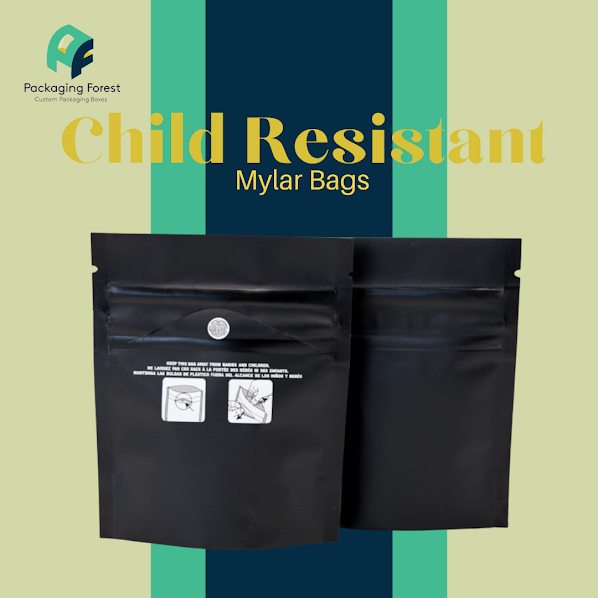
Overview of Child Resistant Mylar Bags
In every part of our life, maintaining the security of children is of utmost significance. This is particularly true when it concerns dangerous products and substances. It is increasingly crucial to have child-resistant packaging because of the rising demand for goods like weed edibles, prescription drugs, and home chemicals.
This blog post will discuss the significance of Child-Resistant Mylar Bags, their characteristics, and how they assist in safeguarding our kids from damage.
Understanding Child Resistant Packaging
Specialized containers aimed to keep little ones from accessing potentially dangerous materials are referred to as child-resistant packaging. Standard Child Locks Mylar Bags have traditionally been utilized for presenting safety caps and pill bottles, but when fresh goods appear, creative packaging alternatives are needed to keep up with increasing consumer demand.
The Rise of Child Resistant Mylar Bags
As child-resistant alternatives to packaging, mylar bags created of tough polyester film made from polyethylene terephthalate, or PET, have become quite popular. Mylar bags, which were first used for alimentary storage and preservation, have shown to be adaptive and tolerant which renders them suitable for an assortment of items.
Features of Child-Resistant Mylar Bags
a) Variety of ingredients are included in infant-resistant bags to guarantee their effectiveness in limiting child access while retaining food freshness and quality. The main features include:
b) Mylar bags include a resealable zipper, which can be difficult for young toddlers to manage since it is taken a certain amount of pressure and skill to open.
b) Heat Sealable Top: The shopping bags often contain a heat-sealable top that may be shut with a heat sealer to offer an extra degree of security and lessen the chance of unintentional exposure.
c) Tamper-Evident Seal: Tamper-evident sealing is another option for child-resistant Mylar bags. These seals provide evidence in the form of any illegal ripping attempts.
d) Opaque Design: Many bags have hazy outside designs to keep kids from seeing everything inside and to lessen curiosity and temptation.
Applications of Child Resistant Mylar Bags
Applications for child-resistant Mylar bags may be found in a range of sectors where security is a top priority.
Several typical regions include:
a) These bags are essential for the packaging of cannabis-infused foods and other items in the cannabis industry that has seen the decriminalization of cannabis in numerous jurisdictions.
b) Pharmaceutical Sector: These bags may be used to safely store prescription drugs, particularly those that might be dangerous if accidentally swallowed.
c) Household chemicals: To avoid unauthorized access, products like insecticides, cleaners, and other materials that might be hazardous for children need to be packaged securely.
d) Nutraceuticals and Supplements: Vitamins, vitamins, minerals, and different nutritional items additionally come packaged in bags.
Regulatory Standards and Testing
There are strict governmental norms in place to guarantee the efficacy of child-resistant packaging. The aforementioned laws specify the specifications for child-resistant packages and carry out stringent testing to ensure compliance. Manufacturers that are seeking to certify their product packaging as child-resistant must abide by these requirements.
“Printed Mylar Bags: Enhancing Packaging Appeal and Brand Visibility”
The packaging material known as printed Mylar bags is constructed of polyethylene terephthalate (PET), an instance of polyester film that goes by the brand name Mylar.
The expanding needs of many sectors have resulted in changes in manufacturing practices for Printed Mylar Bags.

Some Trends are Noteworthy
1. Modern Printing Techniques: To produce high-quality and bright prints on Mylar bags, manufacturers employ modern printing technologies such as flexographic printing, digitized printing, and rotogravure print. These methods enable complicated patterns and precise color recombination increasing recognition of the company and item attractiveness.
2. Sustainable Materials: In light of the growing focus on sustainability, producers are looking at alternative materials for bags. They are made from bio-based recyclable materials, minimizing their adverse ecological impacts and fulfilling customer demand for sustainable packaging options.
3. Personalization and customization: Modern consumers want tailored encounters, and the packaging sector is bucking this upward trend. Brands may develop distinctive item designs that complement their brand identity with the many customizable decisions that bags provide. This comprises unique forms, measurements, hues, and patterns that help firms distinguish out in the marketplace and improve their recognition.
4. Interactive Packaging: They are increasing including virtual realities (AR) and QR codes. Interactive features may be included by brands, that include stainable tags that provide consumers exciting digital experiences or more about the product. This trend encourages customer participation and gives packaging value apart from its basic use.
5. Child-Resistant Printing: Makers are implementing printing methods on Mylar bags as child-resistant packaging standards continue to change. These methods are the use of specific inks and coatings that serve as extra barriers or visual clues, strengthening child-resistant elements, and guaranteeing compliance with safety regulations.
In conclusion, manufacturing advances for these bags have emphasized cutting-edge techniques for printing, ecological responsibility, personalization, interactive elements, and child-resistant printing.
Comments
Post a Comment